
BALTIMORE
10075 Red Run Boulevard
Suite 401
Owings Mills, MD 21117
(443) 738-4900
FREDERICK
10 North Jefferson Street
Suite 200
Frederick, MD 21701
(240) 220-2415
BETHESDA
7315 Wisconsin Avenue
Suite 400W
Bethesda, MD 20814
(240) 220-2415
The One College Prep Step Most Parents Miss
August 6, 2026
Diane Kotkin
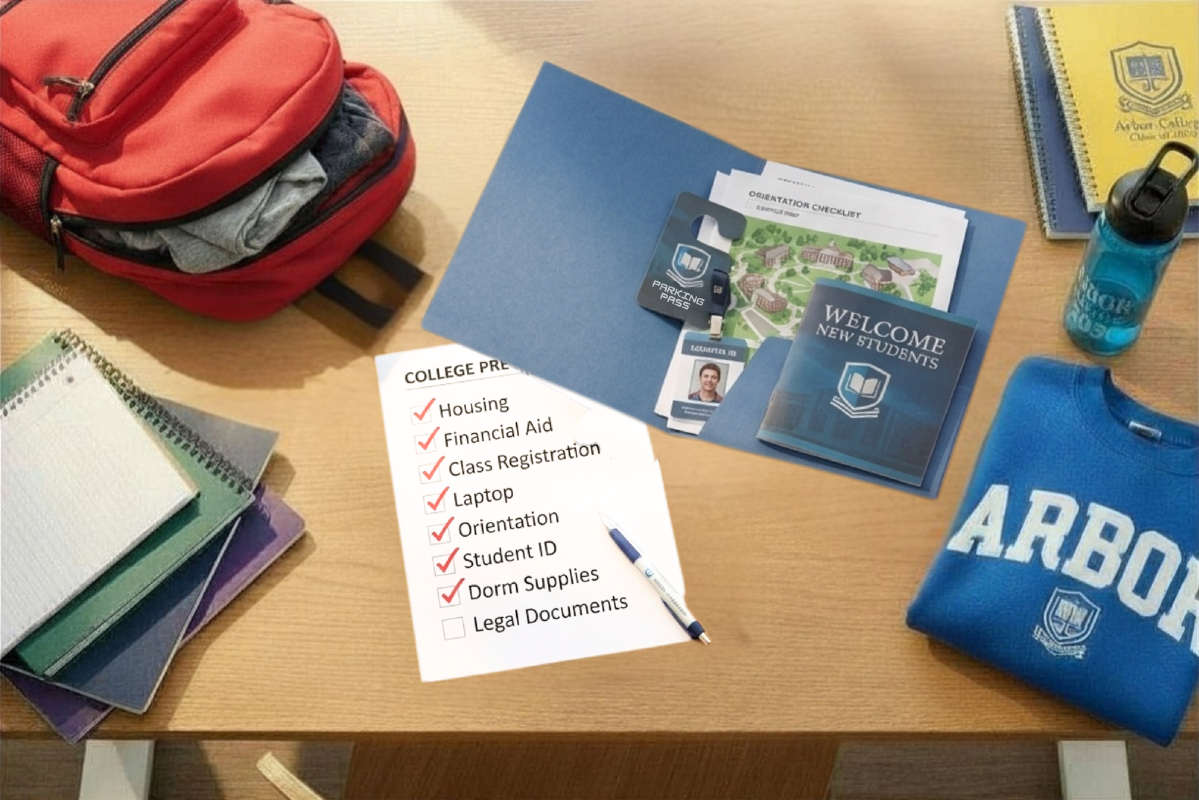
As I prepare to send my second son off to college, I find myself experiencing the same mix of emotions I did the first time around — pride, excitement, and, if I'm being honest, a little anxiety. Like many parents, I've spent months helping with applications, move-in plans, financial aid, and making sure they have everything they need to succeed.
But as both a parent and an estate planning attorney, I know there's one important item that often gets overlooked. When our children turn 18, they become legal adults. That means if an unexpected medical emergency or accident occurs, parents may no longer have the legal authority to access medical information or make important decisions on their behalf. It's a reality that surprises many families — including those who are otherwise well-prepared for college life.
Having walked this journey with my own children, I understand the excitement of this new chapter and the desire to protect them while giving them the independence they deserve. That's why I encourage every family with a college-bound child to take a few simple legal steps before move-in day. These documents are not about expecting something bad to happen — they're about making sure your young adult's wishes are respected and that the people they trust can help if the unexpected occurs.
Here's what every parent and college student should know before classes begin.
<span style="font-size: 115%;">Why Estate Planning Is Important for College Students</span>
No parent wants to imagine receiving a late-night phone call that their child has been injured or hospitalized. Yet if that happens after your child turns 18, doctors, hospitals, and financial institutions may be legally prohibited from sharing information or accepting instructions from you without the proper legal authorization.
Having a basic estate plan in place helps avoid unnecessary delays and gives families peace of mind during what could already be a stressful situation.
<span style="font-size: 115%;">Essential Estate Planning Documents for Young Adults</span>
<span style="font-size: 102%;">Durable Financial Power of Attorney</span>
A Durable Financial Power of Attorney authorizes a trusted individual to manage financial matters if your child becomes unable to do so. This authority may include:
- Managing bank accounts
- Paying bills
- Handling insurance matters
- Signing legal or financial documents
- Addressing housing, tuition or other financial obligations
Without this document, family members may have to petition a court for authority to act, resulting in additional time, expense, and stress.
<span style="font-size: 102%;">Health Care Power of Attorney</span>
A Health Care Power of Attorney allows your child to appoint someone they trust to make medical decisions if they are unable to communicate their own wishes.
This document ensures that someone familiar with your child's values and preferences can make important health care decisions when they matter most.
<span style="font-size: 102%;">HIPAA Authorization</span>
Federal privacy laws restrict health care providers from disclosing medical information without a patient's consent.
A HIPAA Authorization allows doctors, hospitals, and other medical providers to discuss your child's medical condition with designated individuals, such as parents or guardians. Without this authorization, medical professionals may be limited in the information they can legally share.
<span style="font-size: 102%;">Living Will (Advance Directive)</span>
A Living Will, also known as an Advance Directive, communicates your child's wishes regarding life-sustaining medical treatment if they become terminally ill or permanently unconscious.
Although these situations are uncommon for young adults, having clear instructions helps eliminate uncertainty and provides guidance for loved ones during difficult circumstances.
<span style="font-size: 115%;">Common Questions Parents Ask</span>
"My child is still on my health insurance. Doesn't that give me the right to make decisions?"
No. Health insurance coverage does not grant legal authority to access medical records or make medical decisions once your child becomes a legal adult.
"I'm paying for college. Can't I handle financial matters if necessary?"
Not automatically. Financial institutions generally require legal authority before allowing anyone else to access accounts or conduct business on behalf of an adult.
"The college has me listed as the emergency contact."
Being listed as an emergency contact ensures you may be notified if something happens, but it does not give you legal authority to receive protected medical information or make decisions for your adult child.
<span style="font-size: 115%;">When Should These Documents Be Prepared?</span>
The best time is before your child leaves for college or shortly after turning 18. Completing these documents in advance ensures they are available if an emergency occurs and allows your child to thoughtfully choose who should act on their behalf.
Whether your child is attending college nearby or across the country, having these documents in place is an important part of preparing for adulthood.
<span style="font-size: 115%;">Help Your College Student Be Prepared</span>
Estate planning for young adults is not about expecting the worst — it is about being prepared for the unexpected. A simple estate planning package can provide important legal protections and allow parents and other trusted individuals to assist when help is needed most.
If your child is preparing to leave for college or has recently turned 18, our office can help you determine which documents are appropriate for your family's circumstances. We will guide your family through the process, answer your questions, and prepare the documents needed to protect your young adult as they begin this exciting new chapter.
