
BALTIMORE
10075 Red Run Boulevard
Suite 401
Owings Mills, MD 21117
(443) 738-4900
FREDERICK
10 North Jefferson Street
Suite 200
Frederick, MD 21701
(240) 220-2415
BETHESDA
7315 Wisconsin Avenue
Suite 400W
Bethesda, MD 20814
(240) 220-2415
Step Right Up: New Jersey Considers Expanding Anti-Discrimination Employment Protections to Height and Weight
April 9, 2026
Laura L. Rubenstein
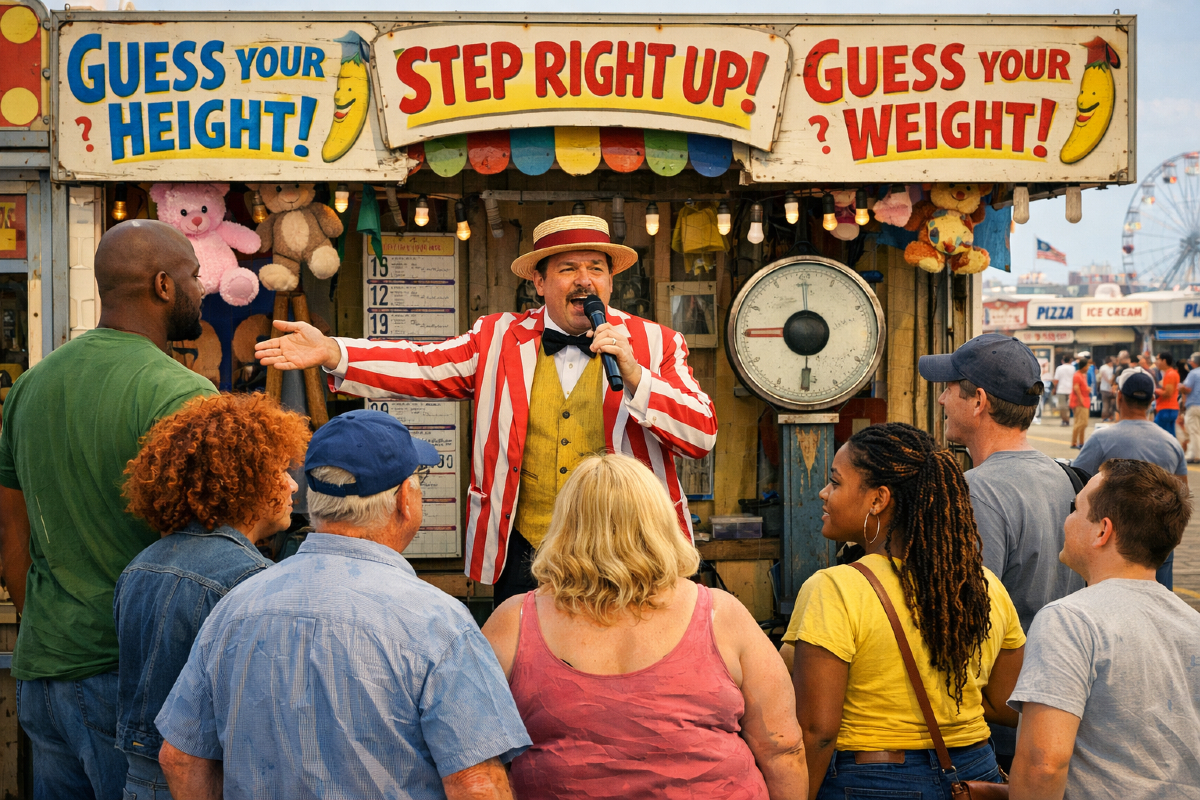
Think about it… do you make assumptions about candidates outside of the expected ranges of height and weight when you’re interviewing for openings at your workplace? New Jersey is getting ahead of physical appearance implicit bias by proposing an addition, which is not yet a recognized protected category under the New Jersey Law Against Discrimination (LAD).
Why This Law Is Being Considered
Although the LAD is among the most expansive anti-discrimination statutes in the country, it does not expressly prohibit discrimination based on height or weight. Proponents of S1631 argue that individuals can be left vulnerable to a form of bias that is both pervasive and often socially normalized. Research and litigation trends demonstrate that “appearance-based discrimination” can materially affect employment outcomes. Studies have found that:
- Individuals perceived as overweight—particularly women—experience lower hiring rates, reduced wages, and fewer promotions
- Taller individuals, especially men, are statistically more likely to be hired into leadership roles and receive higher compensation.
- Weight stigma intersects with gender and disability discrimination, but does not always fit neatly within those existing legal frameworks, leaving gaps in protection.
Courts have generally been reluctant to extend existing categories (such as disability) to cover weight unless it is associated with a medical condition. As a result, individuals facing bias based solely on body size or stature often lack a viable legal remedy.
Evidence of Harm and Lived Experience
Individuals who experience height or weight discrimination report both economic and emotional harms, such as:
- Employment Barriers: Applicants may be screened out based on subjective “image” or “fit” criteria, particularly in customer-facing or professional roles.
- Compensation Disparities: Empirical studies show a wage penalty associated with higher body weight and a wage premium associated with taller stature.
- Workplace Harassment: Employees report teasing, exclusion, and negative stereotyping tied to body size, often tolerated as socially acceptable conduct.
- Promotion Ceilings: Decision-makers may associate thinness or certain body types with discipline, competence, or leadership presence.
These harms are compounded by the fact that weight and height are often influenced by genetics, medical conditions, socioeconomic factors, and access to healthcare—factors outside an individual’s control.
Potential Challenges and Criticisms
Opponents of the bill raise several concerns:
- Redundancy: Critics argue that the LAD already covers many forms of bias through existing categories such as disability or gender, making additional protections unnecessary.
- Operational Ambiguity: Employers may face uncertainty in determining when physical requirements are “reasonably necessary,” particularly in roles involving safety, physical performance, or public image.
- Increased Litigation Risk: Expanding protected classes may lead to additional claims, including those based on subjective perceptions of bias.
Exceptions Permitted
The bill’s inclusion of a “bona fide occupational qualification”– style exception is intended to address these concerns by allowing height or weight requirements where they are job-related and consistent with business necessity.
What Other States and Cities are Doing
Currently, Michigan is the only state that has passed an anti-weight discrimination law, which it did in 1976. Washington D.C. provides protection against employment discrimination on the basis of “personal appearance” and has done so since 2000. Otherwise, such cities as San Francisco and Santa Cruz, CA; Binghamton, NY; Madison, WI; and Urbana IL have added weight and height as protected categories. For NJ employers, the proposal underscores the importance of grounding employment decisions in objective, job-related criteria and preparing for continued evolution in workplace equity laws.
If you have questions about this law or other federal, state or local discrimination laws, reach out to an RKW employment lawyer.
