
BALTIMORE
10075 Red Run Boulevard
Suite 401
Owings Mills, MD 21117
(443) 738-4900
FREDERICK
10 North Jefferson Street
Suite 200
Frederick, MD 21701
(240) 220-2415
BETHESDA
7315 Wisconsin Avenue
Suite 400W
Bethesda, MD 20814
(240) 220-2415
Building an Enduring Business: What is Your Endgame?
December 11, 2025
Diane Kotkin
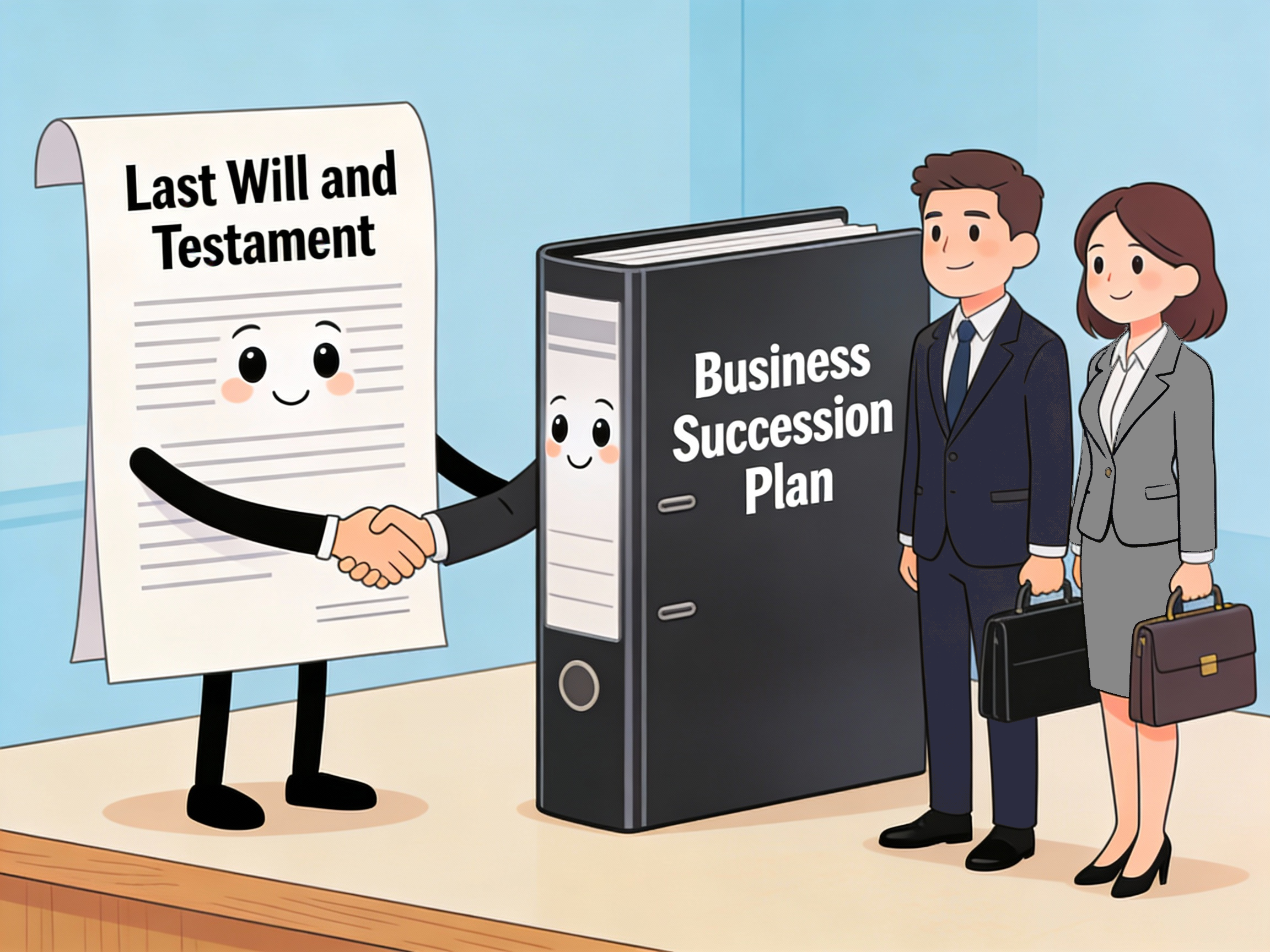
Entrepreneurship asks a lot from you. Sure, being your own boss sounds exciting, but the reality can push you in ways you never expected. You need grit, patience, a focus on delivering real value, the courage to take action, and the ability to live with a whole lot of uncertainty.
And when you're pouring so much of yourself into your business, it's easy for everything outside that bubble to slip off your radar. Finding time for your own well-being — and for the people who matter to you — is something many entrepreneurs struggle with. On top of that, the pressure of running a business can make it hard to look ahead clearly. Important things, like estate planning, can get pushed aside, even though skipping them can undo years of effort and affect your loved ones, your team, and even your customers. Taking a little time to plan now helps protect the business you've built and the people who depend on it.
So what do you need to do? Consider these three crucial tasks.
1. Craft an exit strategy.
Every business founder will at some point need to step away. Orchestrating your exit with a comprehensive succession plan can ease much of the related stress and ensure a smooth transition for the people who will carry your business forward.
A succession plan is a formal written exit strategy that outlines what will happen to your business if you retire, become incapacitated, or pass away. A well-crafted plan ensures that you can seamlessly transfer ownership and leadership of your business to your chosen successor, whether that is your adult child, your spouse, or a trusted employee.
One way to put your succession plan into action is with a buy-sell agreement. This legal tool helps ensure a smooth transition by setting clear terms for how ownership in the business will be transferred if certain events, such as death, disability, or voluntary departure, occur. It allows you to decide who can purchase your share of the business, whether that is a partner, a family member, or the company itself, and how the business will be valued. It can transform years of effort and investment into lasting security for you and your loved ones, while maintaining stability for those who continue to operate it.
2. Establish a personal retirement strategy.
Are you setting aside money as a financial safety net for the future through retirement accounts such as a 401(k), Simplified Employee Pension (SEP) individual retirement account (IRA), Savings Incentive Match Plan for Employees (SIMPLE) IRA, or pension plan? Having a diversified retirement strategy is crucial even if your business is thriving. A dedicated retirement plan can help provide a separate secure income source that is not directly tied to the business's performance.
3. Incorporate your business into your estate plan.
In addition to creating a documented succession plan, you should think about how you want to pass on your business and ensure that those wishes are reflected in a comprehensive estate plan.
If you plan to pass your business on to your children, there are many different ways to do it. One option is to make annual gifts of company stock to a trust for your children while you are still alive. This approach allows you to gradually transfer ownership over time while also reducing the value of your taxable estate. Transferring the stock to a trust instead of to your children can also protect it from their creditors or a potential divorcing spouse.
Or you may wish to have the business or your business partners buy back your shares when you pass away, providing your family with cash instead of ownership. This solution can be accomplished by naming the business or your partners as the beneficiary of a life insurance policy and entering into an agreement (such as a buy-sell agreement) that specifies that the proceeds of the policy will be used to purchase your ownership interest from your family. This approach helps minimize hardship for the business, ensures that your loved ones are fairly compensated, and keeps the business running smoothly.
Are All Your Bases Covered?
If not, we are here to help. Many business succession planning strategies are available to you, and we can guide you through the solution that best suits your needs and your company. Let us eliminate a big source of uncertainty for you.
