
BALTIMORE
10075 Red Run Boulevard
Suite 401
Owings Mills, MD 21117
(443) 738-4900
FREDERICK
10 North Jefferson Street
Suite 200
Frederick, MD 21701
(240) 220-2415
BETHESDA
7315 Wisconsin Avenue
Suite 400W
Bethesda, MD 20814
(240) 220-2415
AI + NDA = 4Gone: Does Your NDA Cover AI Use?
February 26, 2026
Don Walsh
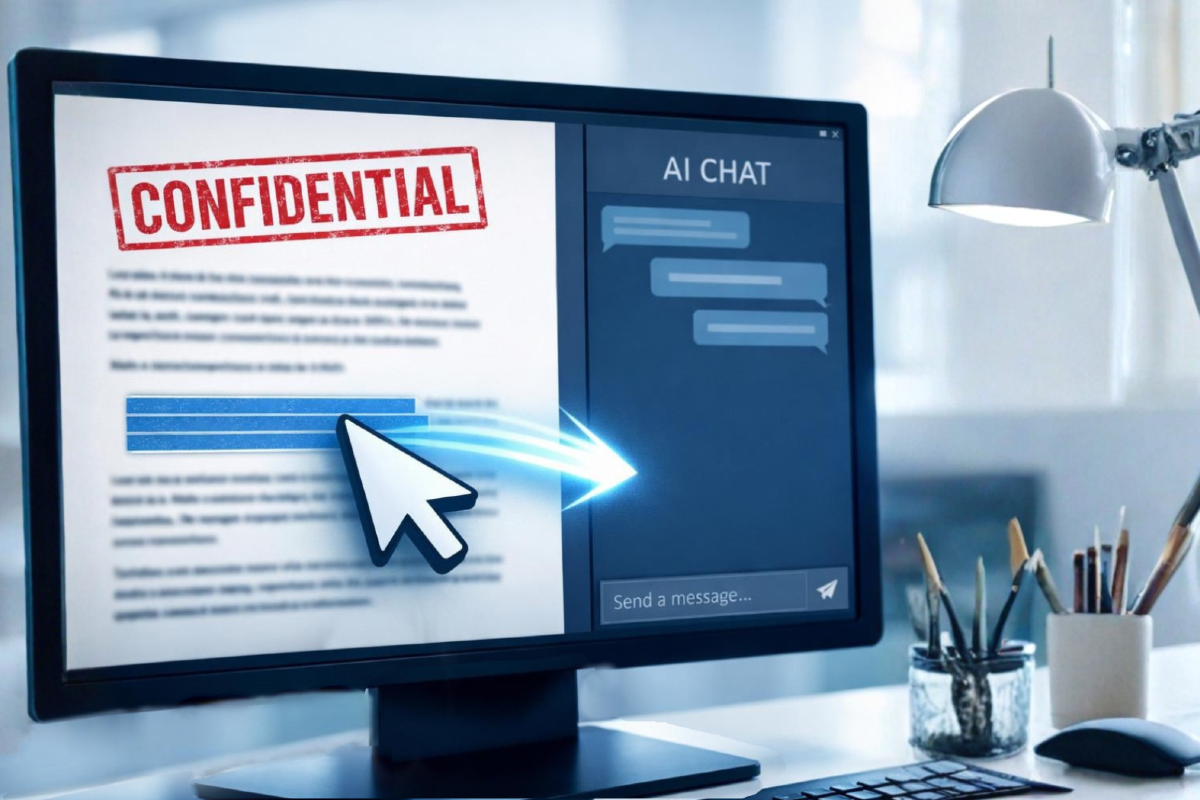
Based on recent conversations and legal developments, I have been advising clients that all of their Non-Disclosure Agreements (“NDAs”) need to include prohibitions against using the information supplied under an NDA with Artificial Intelligence (“AI”) tools. Since many of my clients are in the tech industry, there has been expected pushback and cries that I am overthinking this issue and may have watched Terminator too many times. Turns out my caution was well placed. On February 17, 2026, in the case of United States v. Heppner, Judge Jed S. Rakoff of the Southern District of New York noted that even the attorney client privilege, which permits clients to confess their deepest secrets to their attorneys, does not exist when a client shares communications with AI.
The client in the case had used the generative AI platform “Claude”, which is operated by the private company Anthropic, to create various documents. Agreeing with previous commentators (and reaffirming that attorneys do have beating hearts), the Court found that using an impersonal software program is not sufficient to create a confidential privileged relationship “because all ‘[r]ecognized privileges’ require, among other things, ‘a trusting human relationship,’ such as, in the attorney-client context, a relationship ‘with a licensed professional who owes fiduciary duties and is subject to discipline.’”
The Court also found no privilege existed based on the simplest of concepts where the client failed to read and appreciate the disclosures on the AI tool. It had simple disclaimers in the platform’s written privacy policy which noted that it collected user inputs and outputs, that it uses such data for AI model training, and that the platform reserved the right to disclose such data to third parties, including governmental regulatory authorities. In addition to finding that the platform’s policy clearly put users on notice, Judge Rakoff found that “AI users do not have substantial privacy interests in their ‘conversations with [another publicly accessible AI platform] which users voluntarily disclosed’ to the platform and which the platform ‘retains in the normal course of its business.’”
Consider this further validation that privacy expectations likely do not exist in an online world. Simple precautions should now be taken to ensure protection of your confidential information which includes solid policies and internal scrutiny of the use of AI tools. In addition, if you are sharing proprietary or confidential information pursuant to NDAs, start to include a clear prohibition on using any received proprietary or confidential information in any AI tools. Something as simple as the following should be considered for NDAs.
<div style=" padding-left: 10%;>Receiving Party shall not input, disclose, or otherwise expose any Proprietary Information of the Disclosing Party obtained pursuant to this Agreement to any artificial intelligence tool (“AI”) or machine learning systems, including generative AI platforms, without the prior written consent of the Disclosing Party. Further, Receiving Party shall maintain commercially reasonable technical and administrative safeguards preventing any unauthorized disclosure of the Disclosing Party’s Proprietary Information to or by any AI systems or machine learning systems. </div>
Please reach out to an RKW lawyer about updating your NDA to protect against unwanted disclosures of private information.
